
On Saturday, November 14, 2026, the family of Fred T. Chatfield gathered at the Historic Gatlinburg Inn to remember a young soldier most of them never got to meet. Fred grew up in Pleasant View, in Whitley County, Kentucky. He served in the U.S. Army, was captured in North Korea in December 1950, and died in a prison camp the following spring. He was 21. He never came home.
“I’m only one of 17 first cousins, and none of us ever met him,” his niece told us that morning. “We all have heard of Uncle Fred. None of us know Uncle Fred. Our mother talked about Uncle Fred.”
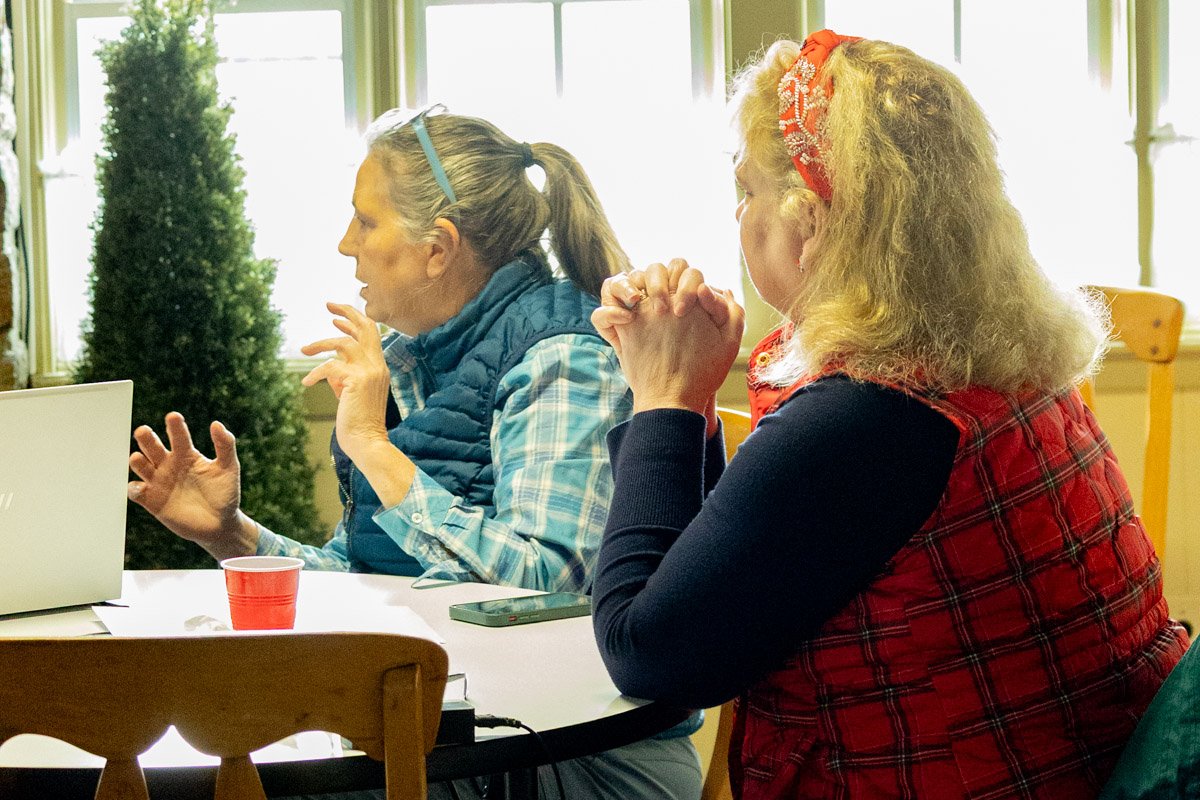
The family chose the Historic Gatlinburg Inn as a place to gather. Cousins, spouses and grandkids filled a room by the stone fireplace for the afternoon.
Watch the video
Who he was
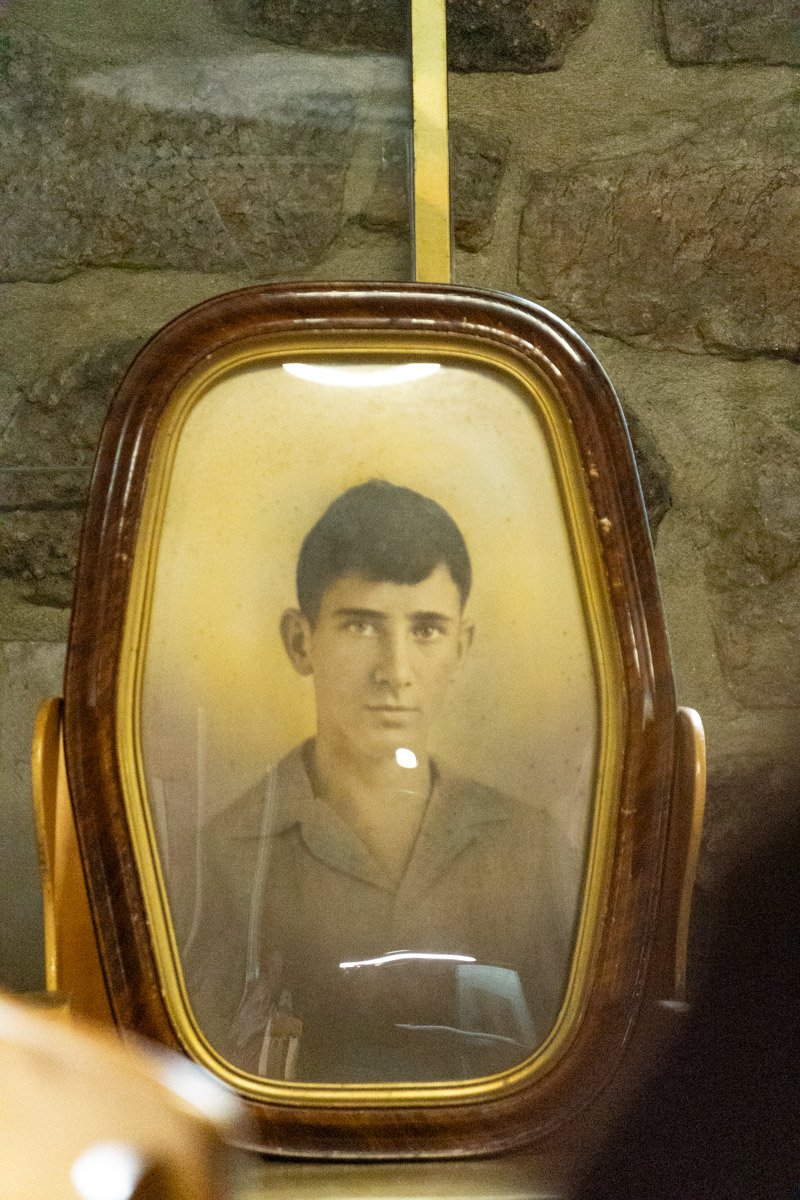
Fred Thomas Chatfield was born on March 31, 1930, and grew up in Pleasant View with his parents, Tom and Minnie Chatfield. He had two older sisters, Fay Chatfield Taylor and Loraine Chatfield Burst, and two younger sisters, Sue Chatfield Myers and Martha Chatfield Ravenna. He liked to hunt, he loved his family, and he had a good sense of humor. While he was in the Army he sent money home to save for a car.
He graduated from high school in May 1948. The way the family tells it, he did not set out to be a career soldier. “So a recruiter in town talked him into enlisting,” one family member said, and his hope was to go back to school afterward. “My mother said that my grandmother hated the recruiter from the time that he convinced Fred to join, for the rest of his life.”
On August 6, 1948, Fred enlisted in the Army for two years.
Letters home
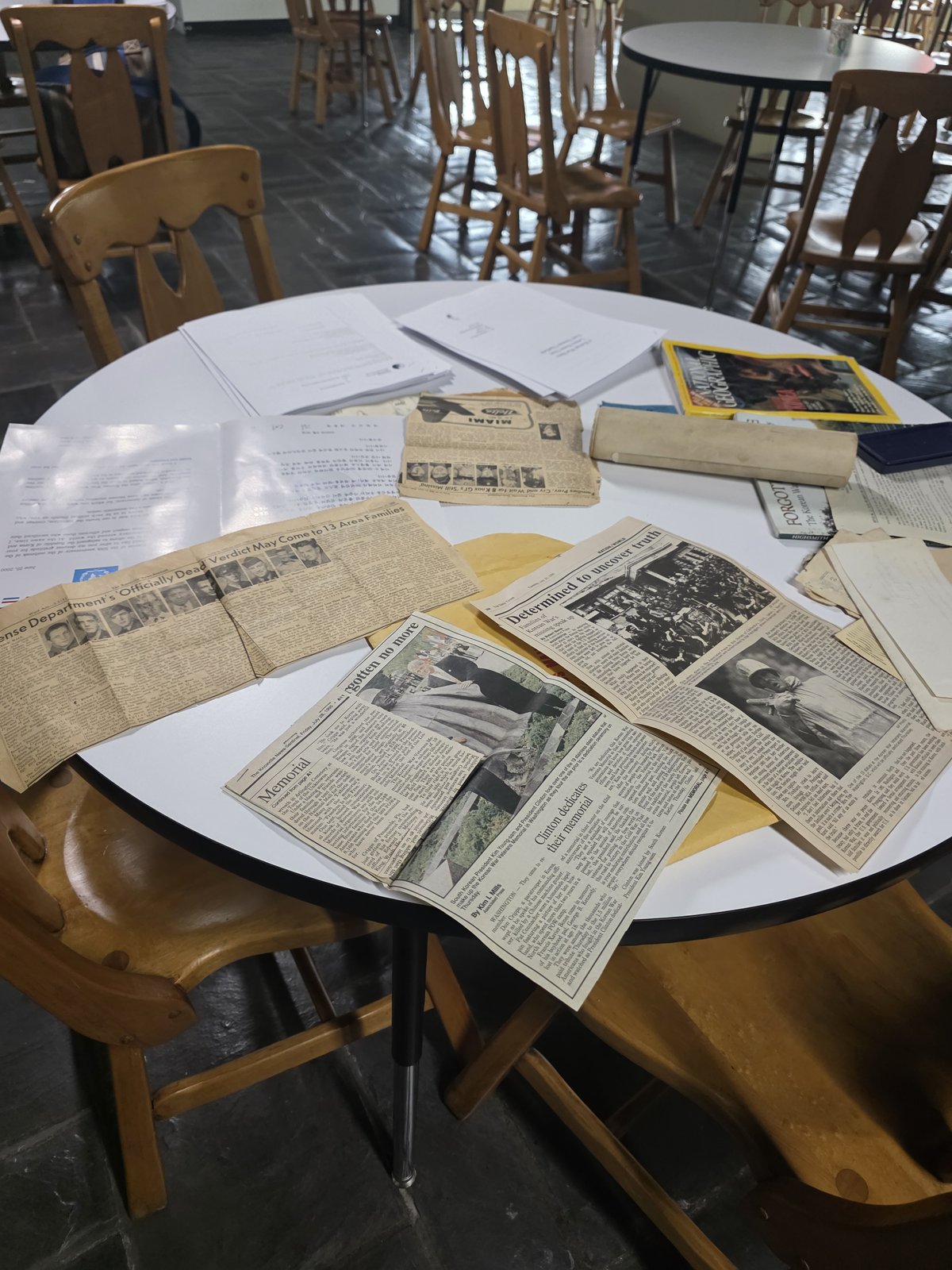
Fred wrote home often, and his family kept the letters. The earliest letter in the family’s report came from Fort Bliss, Texas, dated January 19, 1949. On December 10, 1949, he was transferred to Fort Lewis, Washington.
On July 14, 1950, a few weeks after the Korean War began, he voluntarily re-enlisted for one more year. Two days later he wrote his mother that if he did not re-enlist he would be called up anyway as a reserve, and if he had to go to Korea, he wanted to go with his own outfit. At first he thought they might be headed to Japan.
On August 2, 1950, he sailed on the USS Mitchell. After twelve days at sea his unit landed at Pusan, Korea, at noon on August 16. He served in D Battery, 82nd Anti-Aircraft Artillery Automatic Weapons Battalion, 2nd Infantry Division. His letters followed the fighting north: across the Naktong River, 50 miles in two days, and by October 15 to about 10 miles south of Seoul.
On November 2, 1950, he wrote from about 50 miles north of Pyongyang. It was below zero. He wrote by battery light from the dash of a vehicle, with blankets over the windows. He asked for candy and fruit cake, worried that he could not buy Christmas presents for everyone, and told his family not to worry about him. He kept his sense of humor, too, and joked with his dad.
His family thought the last letter they received was dated November 18, 1950. The letters they kept writing to him through Thanksgiving and into early December came back marked Missing in Action. Then, the night before the gathering, one more letter turned up. “She found one last night, written on November 24th of 1950, the day before they went into this horrific battle,” a family member told the room.
What happened
At the end of November 1950, Chinese forces struck the 2nd Infantry Division near Kunu-ri, on the Chongchon River in North Korea. On November 25 the division had been advancing toward Kujang. As it pulled back south toward Sunchon, it had to fight through roadblocks along the road. According to the Department of Defense POW/Missing Personnel Office, as quoted in the family’s report, the direct-fire weapons of the 82nd AAA AW Battalion bought the division time. “It was during this time that Sgt. Chatfield was taken.”
Jack Arnold described the same battle at the presentation. “It was essential, for that to be successful, that then-Corporal Chatfield’s artillery battalion be used not as an anti-aircraft artillery battalion, but they had to use those guns to allow the troops to retreat,” he said. The battalion was split into sections, and each one tried to hold the Chinese back while the others pulled out. The temperature dropped to between 20 and 36 degrees below zero. Fred was captured on December 1, 1950, as the withdrawal from Kunu-ri ended.
A fellow prisoner described what came next in The Denver Post on April 20, 1951. The prisoners walked at night, carrying each other. Their feet froze, and they were fed rice. The men were split into two groups. Fred’s group marched north to a camp on the Yalu River. They reached the camp known as Death Valley around Christmas 1950, and early in 1951 they were moved to Camp 5 at Pyoktong.
Fred survived that first winter. He died on May 14, 1951, of dysentery and pneumonia, and was buried on the north side of the Yalu. His friend, Cpl. Clarence Clark, later reported his death. Before Fred was buried, Clark placed Fred’s dog tags in his mouth.
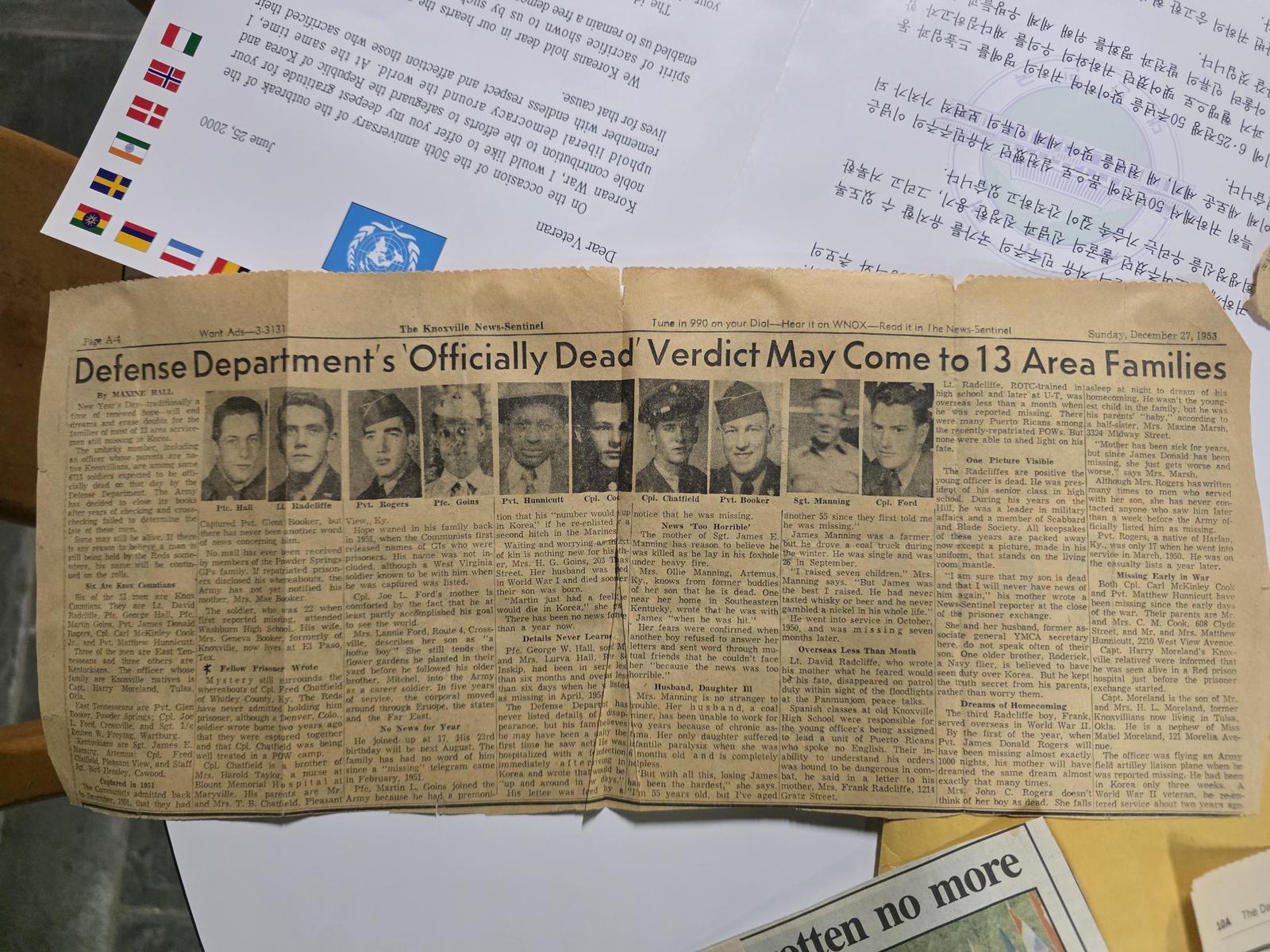
For years, the family did not know what had happened to him. The fighting ended with the armistice of July 27, 1953, and Fred was not among the prisoners who came home. A December 1953 page from The Knoxville News-Sentinel reported that “mystery still surrounds the whereabouts of Cpl. Fred Chatfield of Whitley County, Ky.” A soldier from Denver had written home that the two were captured together, and that Fred was being treated well in a POW camp. The article named his parents, Mr. and Mrs. T. B. Chatfield of Pleasant View, and his sister, Mrs. Harold Taylor, a nurse at Blount Memorial Hospital in Maryville.
The answer the family eventually got came from other prisoners. As Jack Arnold told the room, men who came home were able to tell stories about the prisoners who were with them, and one of them remembered Fred. “We don’t know necessarily whether it was May 13th, 14th, or 15th, 1951, but he had died. And they were able to bury him near the Yalu on May 16th, 1951.”
What the family kept
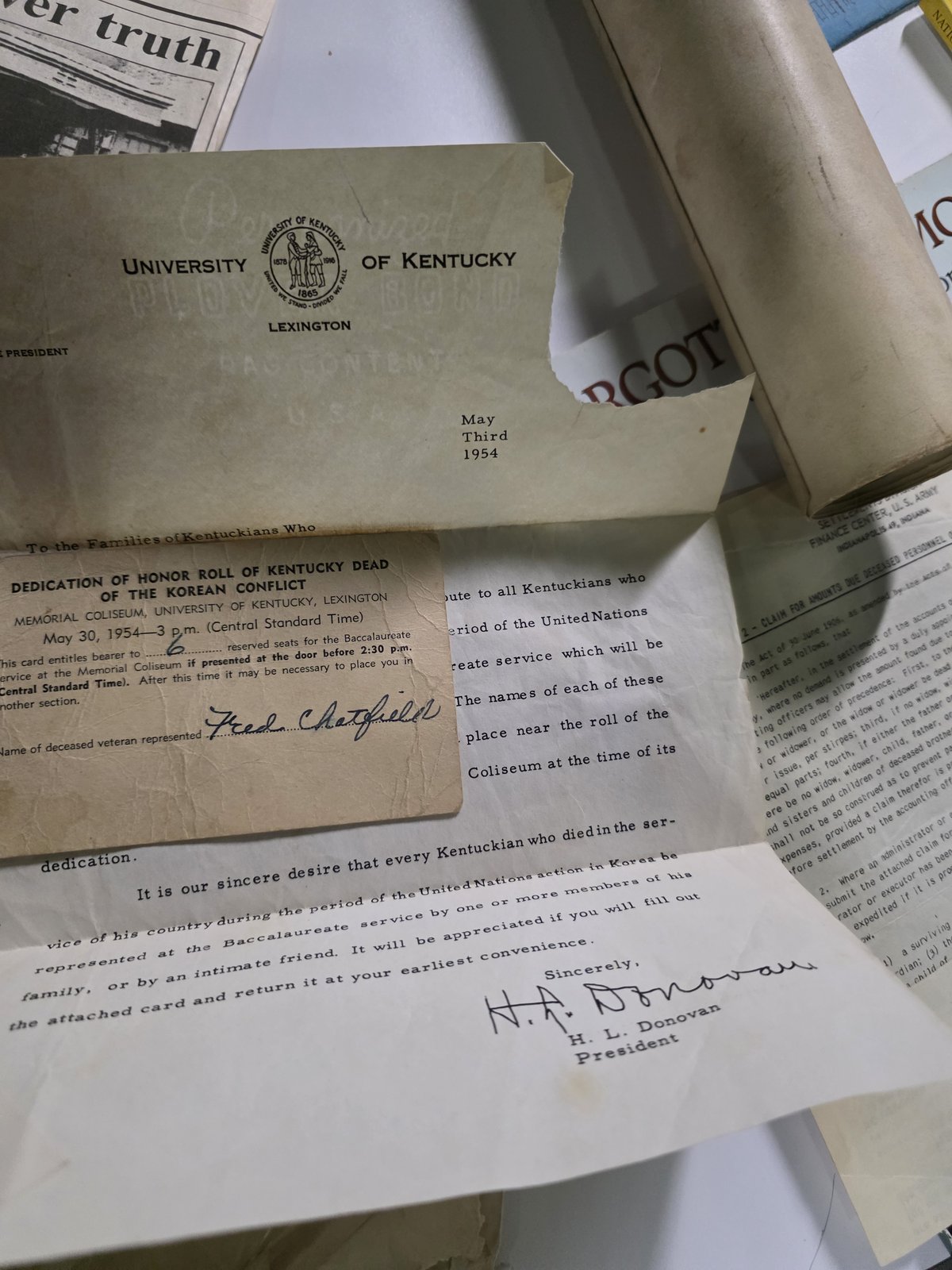
In May 1954 the University of Kentucky invited the families of Kentuckians who died in the Korean conflict to the dedication of an Honor Roll at Memorial Coliseum in Lexington. The family kept the seat card with his name on it.
His remains have never been recovered. “We have, at the cemetery where our grandparents and great-grandparents, aunts and uncles are buried, a marker there for him, but no body,” his niece said. “And so that was always something that they grieved.”
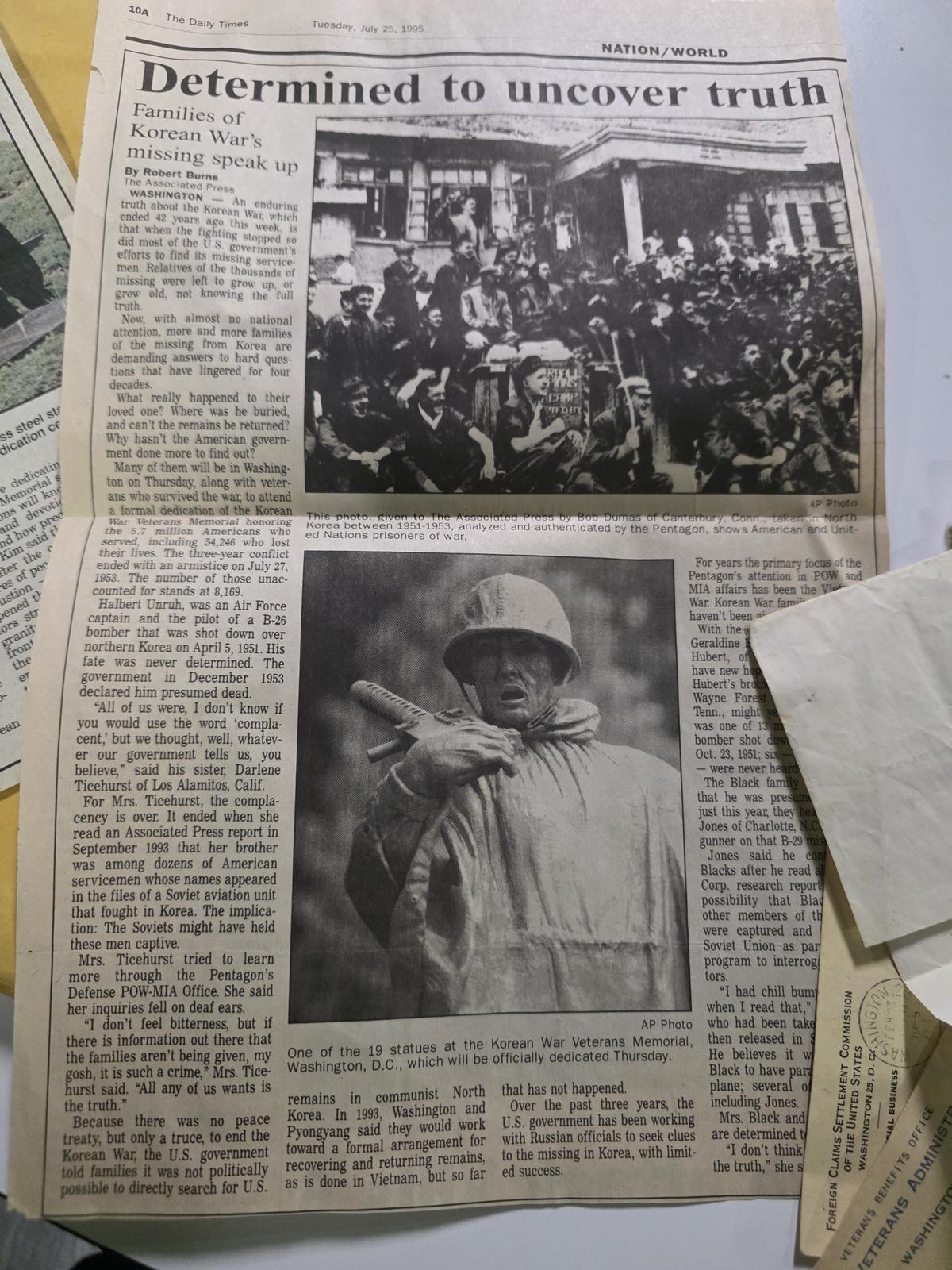
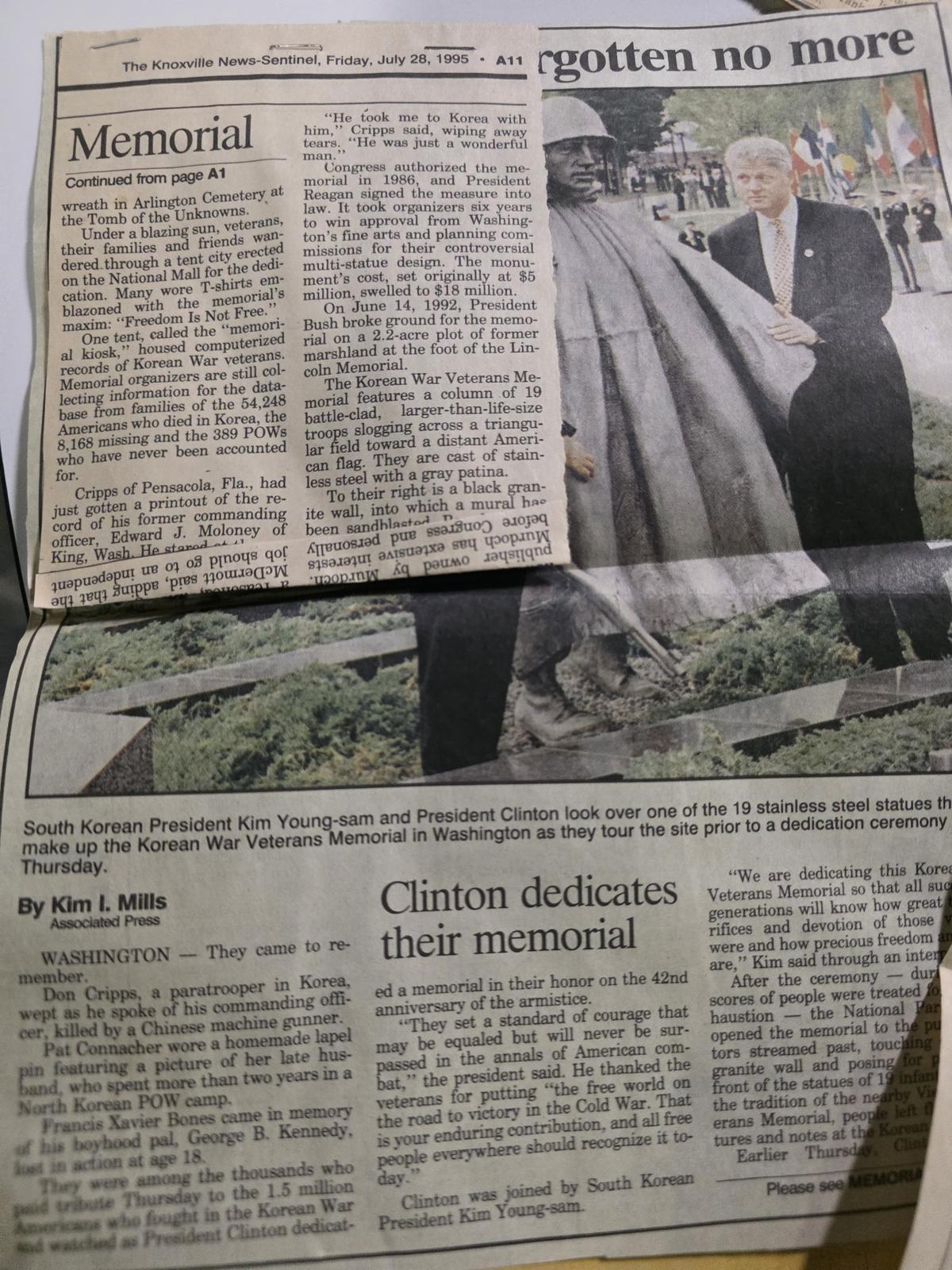
The family has not stopped looking. Family members have given DNA samples, and they have attended family conferences held by the Defense POW/MIA Accounting Agency, which works to identify the remains of the missing. Many unidentified Korean War remains rest at the National Memorial Cemetery of the Pacific, the Punchbowl, in Honolulu, where Fred’s name is inscribed on the Courts of the Missing. While the family was in Washington, D.C., a man who had been held in the same camp as Fred was being buried at Arlington. The agency lists more than 7,300 Americans still unaccounted for from the Korean War. The family is still hoping Fred will be found among them.
Reading his letters
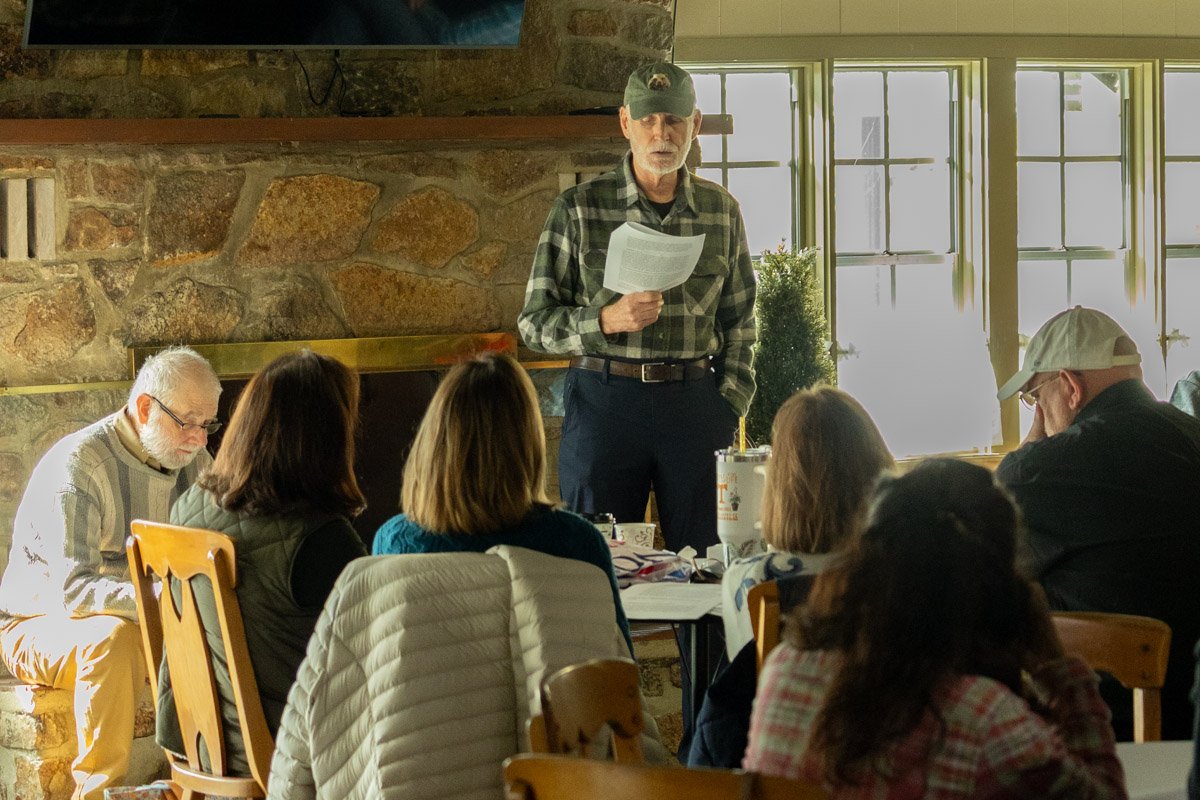
Two of Fred’s nephews took turns reading his letters, typed up exactly as he wrote them. Some were ordinary soldier’s mail, about income tax papers that never showed up and news from home. Some made the room laugh. “Why don’t you see if you can make the acquaintance of a couple of good-looking girls in the next three weeks,” he wrote in one. “I’ll be seeing you at the end of that time.”
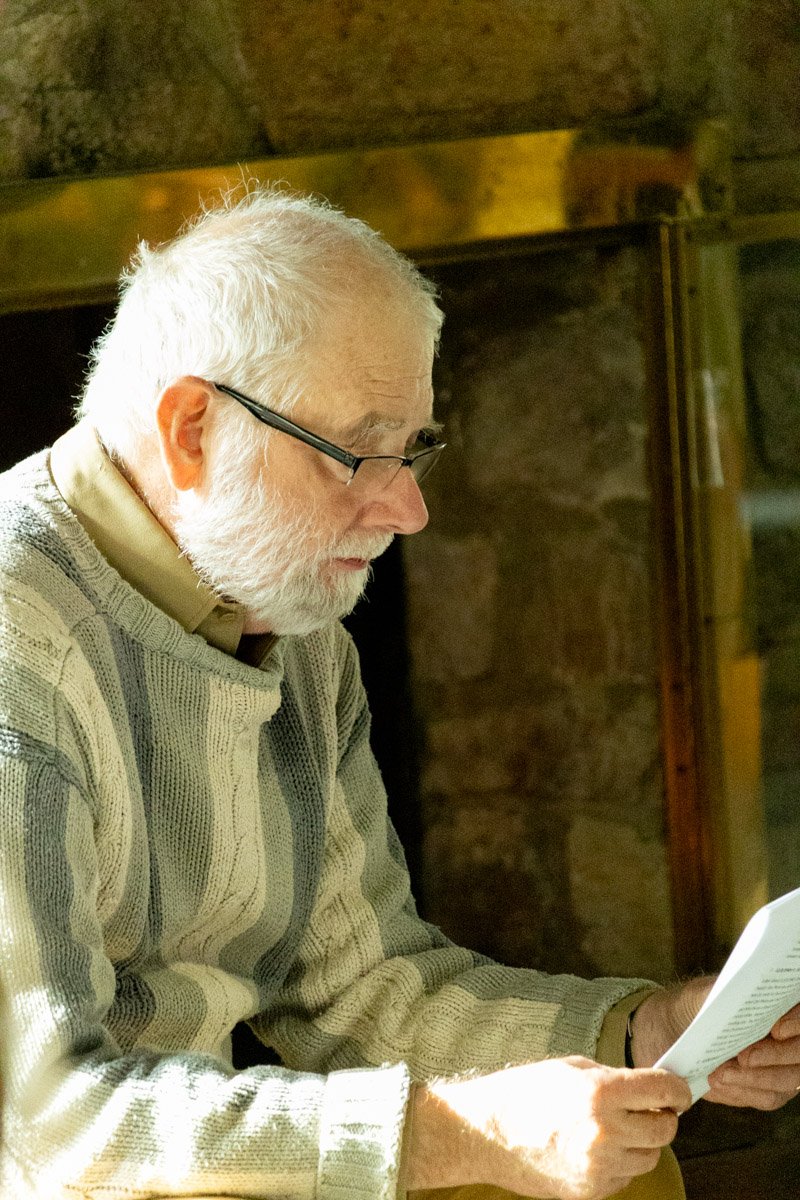
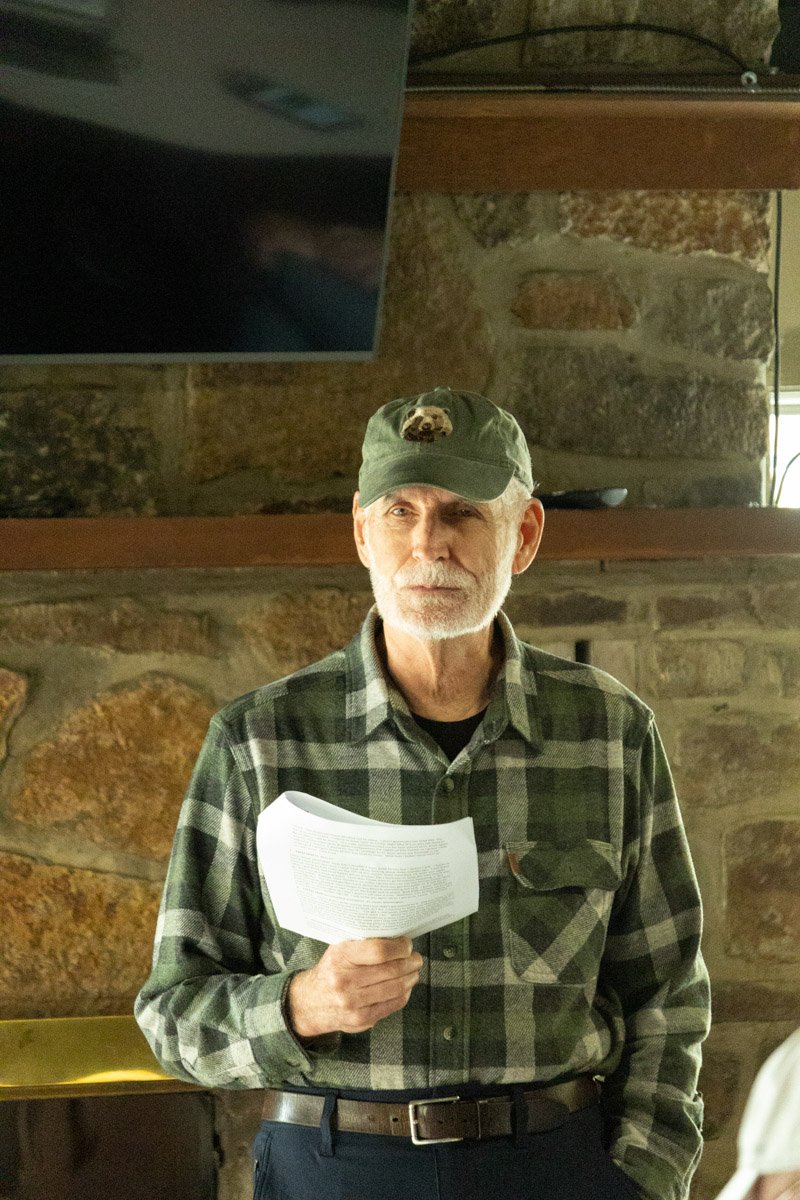
The letters also mention the family’s babies. Loraine was expecting her second son while Fred was in Korea, and in his letters he asked whether she had had the baby yet. Tommy was born in early December 1950, around the time Fred was captured.
One nephew remembered his grandmother calling him Fred when he was a boy, because he looked so much like his uncle. He also remembered being shown, as a boy, a bayonet Fred had sent home, kept in a chest in his grandparents’ bedroom. “One of these days when you grow up, I’m gonna give you this,” he was told. “I just remember the emotion on his face.”
A flag with his name
Two years ago, at a family conference in Washington, D.C., his niece first saw the Honor and Remember flag and signed up. She half thought it would never happen. “And then, two years later, this past summer, I get the email that says there has been a donor, and you’re going to receive a flag in the memory, the honor of your Uncle Fred.”
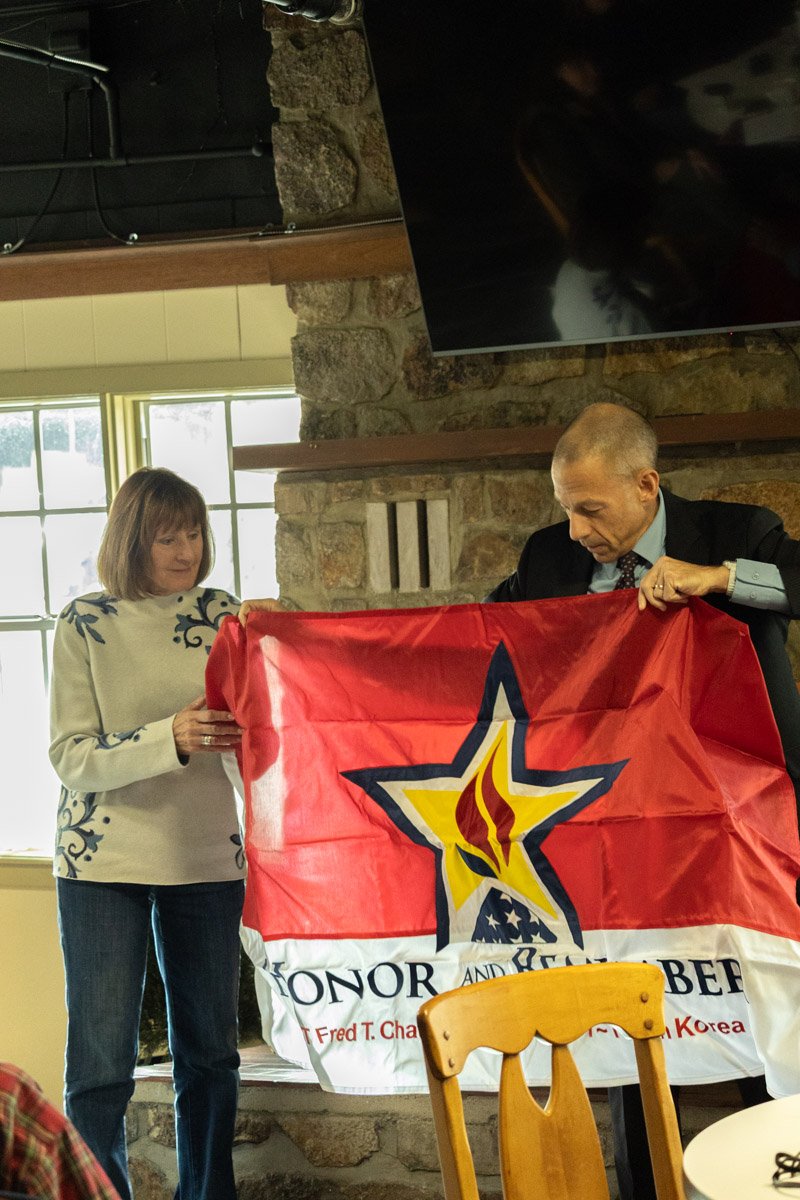
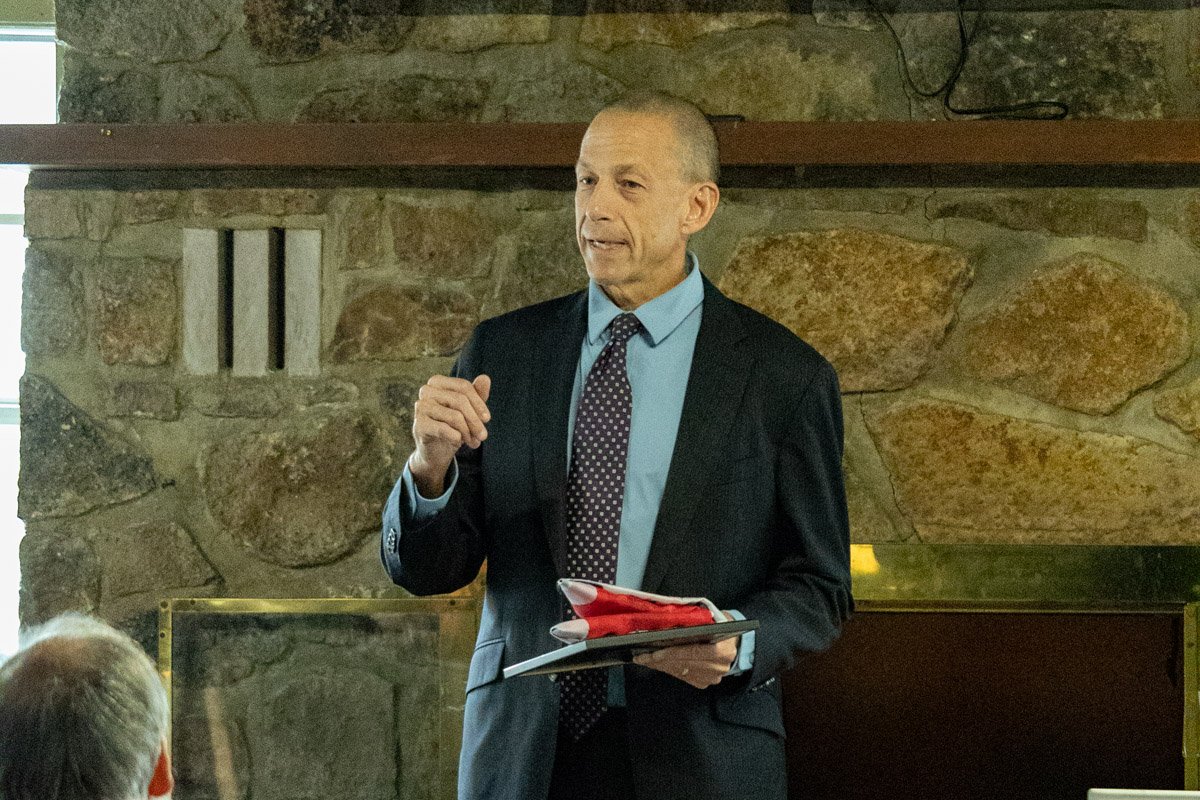
Jack Arnold, an Army veteran of Operation Iraqi Freedom, directs the Tennessee State Chapter of Honor and Remember, a mostly volunteer organization that presents personalized flags to the families of fallen service members. He described the flag simply: “In the center, it has the gold star. It has a small folded U.S. flag in there. It has the eternal flame to represent the people we’ve lost. The background is white for purity, and red for the blood of their sacrifice.”
The flag he unfolded for the family reads “SGT Fred T. Chatfield ~ 14 May 1951 ~ North Korea.”
Remembering
Fred’s family church holds a service every Memorial Day for members who lost loved ones in war. “They always call out Fred’s name,” his niece said. From now on, the flag will be there too. “We’ll have the Honor and Remembrance flag at our church memorial, every Memorial Day.”
Seventy-five years later, Fred is still, in the words of the family’s report, “a family hero that will not be forgotten.” We were honored that the Chatfield family chose the Historic Gatlinburg Inn for this gathering, and grateful they let us share a small part of his story.
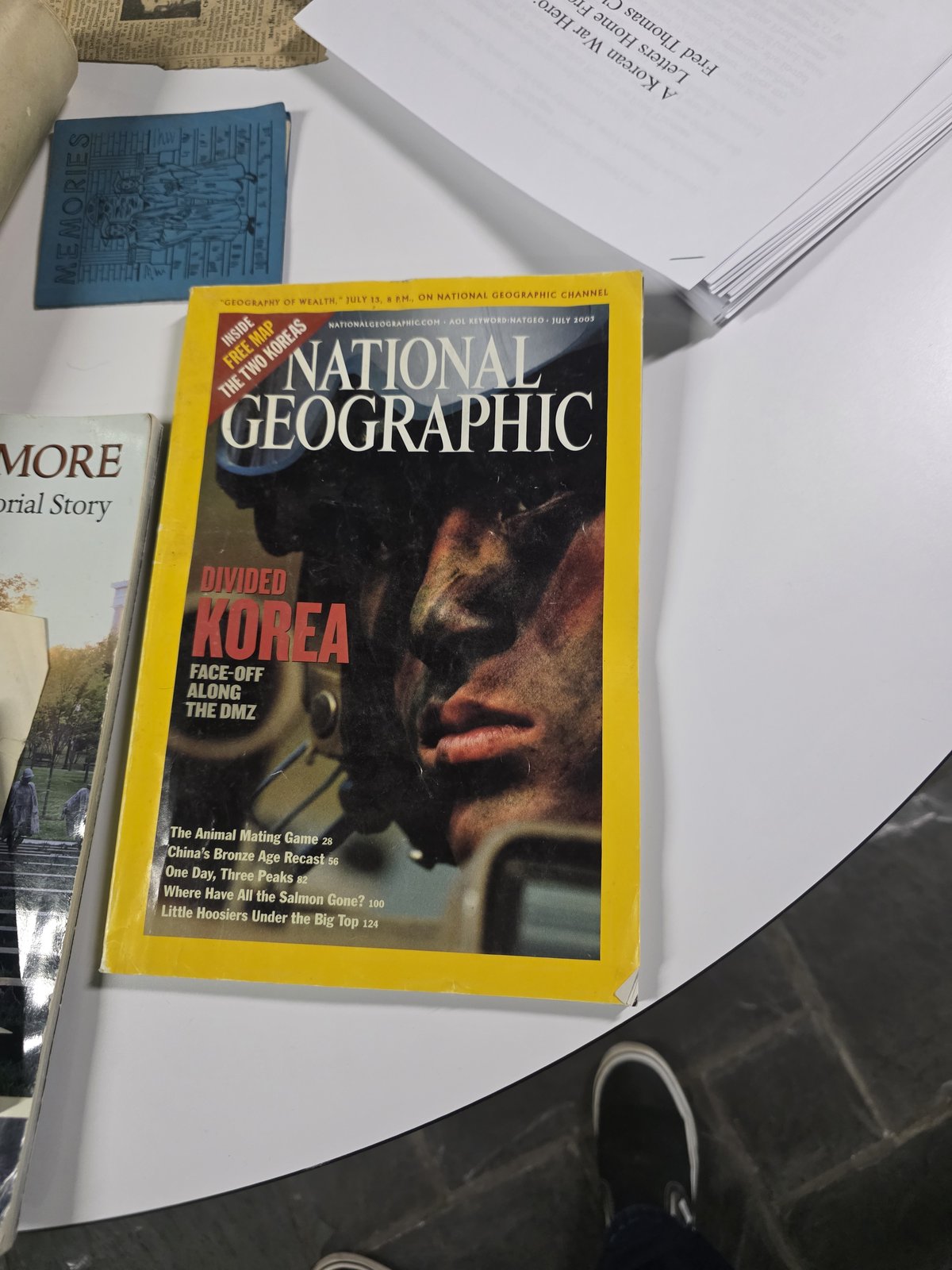
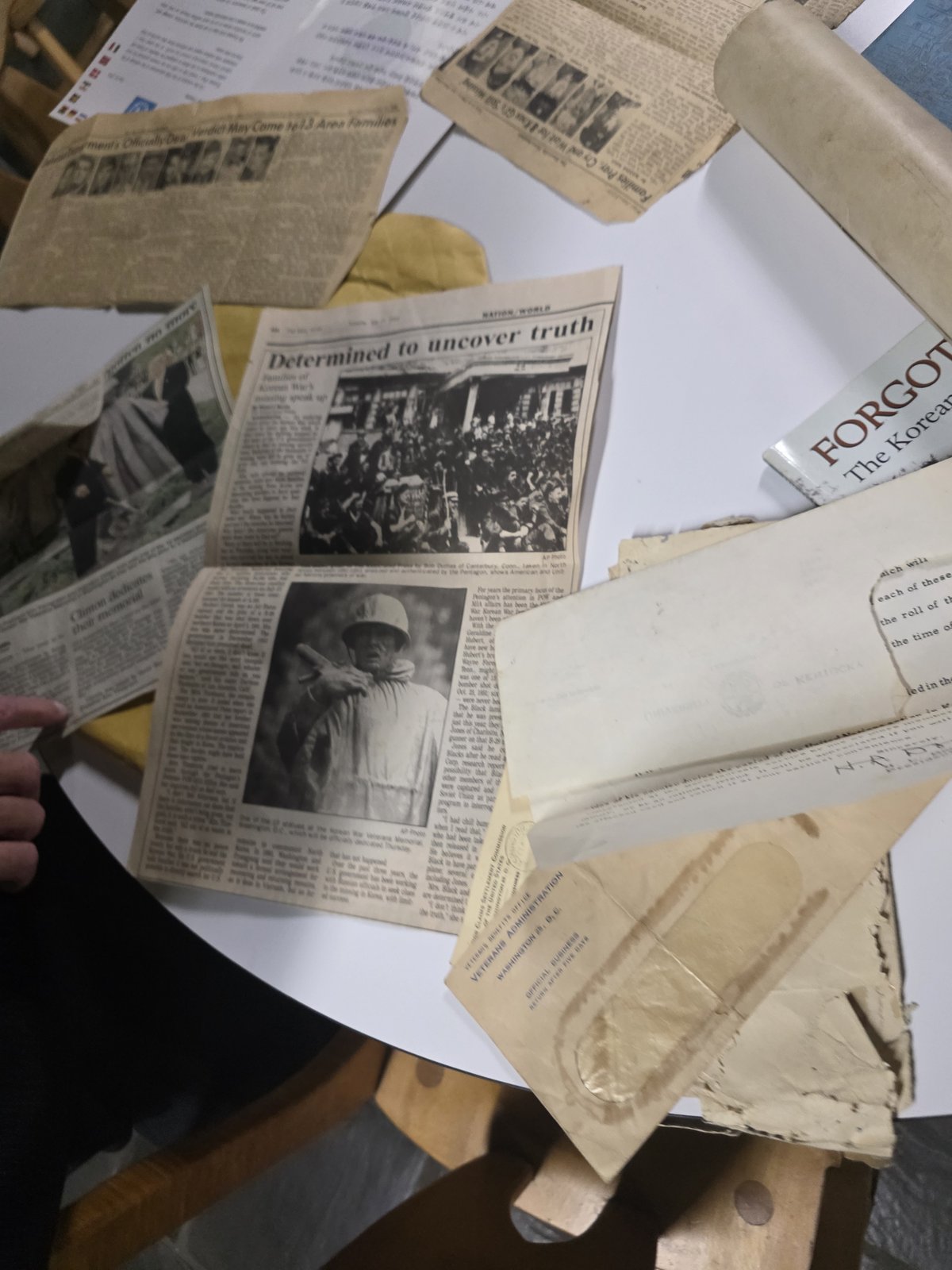
Many details of Fred’s life and letters come from “A Korean War Hero: Letters Home From Fred Thomas Chatfield,” a 2008 school report by Summer Morris, shared with us by the family. Other quotes are from audio recorded at the gathering. Fred’s rank is given as Sergeant on the flag, in the report and in Defense POW/MIA Accounting Agency records; the 1953 newspaper and the speaker at the gathering called him Corporal.